Source Eco Friendly High Density Woven Patch for Garments, Bags, and Shoes
Compare 30 listings for eco friendly high density woven patch options from verified suppliers. Buyers can review features like washability, customization, and production lead times to select the best fit for garments, bags, and shoes; compare the available evidence and request quotations based on your requirements.
Key considerations
Products List




Comprehensive Sourcing Guide
Eco Friendly High Density Woven Patch Sourcing Guide
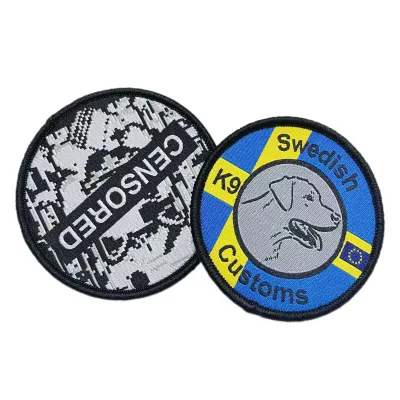
Procuring eco-friendly high-density woven patches requires a strategic approach to balancing material sustainability with the durability demands of modern apparel and accessories. Buyers must prioritize suppliers who explicitly confirm the use of recycled polyester or other sustainable fibers while maintaining the high-density weave structure essential for crisp logo definition. The observed market data indicates that high-density construction is a standard expectation for this category, ensuring the patches withstand repeated washing and friction without fraying or losing detail.
When evaluating potential partners, it is critical to verify that the "eco-friendly" designation is backed by specific material claims rather than vague marketing language. The supply chain for these items often involves complex customization processes, including specific border styles and attachment methods like velcro-on or iron-on options. Sourcing teams should focus on manufacturers who demonstrate flexibility in design and size customization while adhering to strict quality control protocols, such as 100% inspection before packing, to ensure every unit meets the required aesthetic and functional standards.
Product Scope and Observed Listing Signals
The current market for woven patches encompasses a diverse range of applications, including garments, shoes, bags, and caps, with specific models like QD-L014 and QD-J531 demonstrating the versatility of the product line. Listings frequently highlight features such as waterproofing, anti-counterfeit capabilities, and barcode integration, which are increasingly demanded by brands seeking to enhance product security and traceability. These signals suggest that buyers should look for suppliers capable of producing multi-functional patches that serve both decorative and protective roles within the supply chain.
Observed listing data reveals a significant variation in minimum order quantities, ranging from 100 pieces to 1000 pieces, which directly impacts the feasibility of small-batch prototyping versus large-scale production runs. While some suppliers offer low MOQs for custom designs, others maintain higher thresholds to ensure cost-efficiency in their weaving processes. Buyers must carefully align their order volume with supplier capabilities, noting that high-density woven patches often require specific production runs to maintain the integrity of the fabric and the precision of the embroidery or weaving techniques used.
Technical Specifications to Verify
Technical verification begins with confirming the material composition, as the supply data explicitly lists both woven fabric and polyester as primary materials for these high-density patches. Buyers should insist on detailed specifications regarding the thread count and weave density to ensure the "high density" claim translates to a durable, non-fraying product suitable for heavy-use applications like workwear or outdoor gear. The presence of specific styles, such as merrow borders or 3D effects, further necessitates a review of the technical drawings to ensure the final output matches the intended design complexity.
Attachment methods and finishing techniques are equally critical, with observed listings offering stick-on, iron-on, sew-on, and velcro-on options to suit various garment types. The production models indicate that customization is available for size, color, and design, allowing for precise branding integration. However, buyers must verify that the chosen attachment method is compatible with the specific fabric of the end product to prevent damage during application or wear. Additionally, the inclusion of features like fluorescent elements or anti-counterfeit barcodes requires specific technical validation to ensure these elements are permanently integrated into the weave rather than applied as superficial coatings.
Compliance and Safety Documentation
While specific certification data like OEKO-TEX is noted in background information, buyers must actively request and verify current compliance documentation from suppliers to ensure the patches meet international safety standards. The absence of explicit certification claims in the primary product facts means that procurement teams cannot assume compliance and must treat all eco-friendly assertions as unverified until supported by third-party test reports. This is particularly important for products intended for children's clothing or direct skin contact, where chemical restrictions and material safety are paramount.
Safety documentation should also cover the physical integrity of the patches, ensuring that components like metal threads or specialized adhesives do not pose hazards such as nickel allergies or choking risks. The observed feature of being "nickel-free" in some listings highlights the need for specific material declarations to confirm the absence of allergens. Buyers should require a comprehensive material safety data sheet (MSDS) and proof of origin to validate that the manufacturing process in Hangzhou, China, adheres to the environmental and safety regulations required for export to target markets.
Cost Drivers and Commercial Terms
Cost structures for high-density woven patches are heavily influenced by the complexity of the design, the chosen attachment method, and the volume of the order. The observed price range of 0.01 to 4.24 USD reflects the wide variance between simple, small-scale patches and complex, large, or feature-rich items like those with 3D effects or anti-counterfeit technology. Buyers should anticipate that customization of size, color, and design will incur additional costs, and the lead time of 7-15 days for production may fluctuate based on the current order backlog and the specific technical requirements of the design.
Commercial terms must be clearly defined regarding sample times, which are observed to range from 3 to 7 days, and the final production lead time. The minimum order quantity of 1000 pieces for some models versus 100 pieces for others significantly affects the unit economics and the overall budget allocation. Procurement teams should negotiate packaging standards, such as transparent PP bags or export cartons, to ensure that the high-density patches arrive in pristine condition, minimizing the risk of damage during transit and reducing the need for secondary packaging costs.
Supplier Qualification and Quality Control
Supplier qualification should prioritize manufacturers who explicitly state a 100% inspection before packing protocol, as this is a critical indicator of their commitment to quality consistency. The observed data confirms that high-density woven patches are subject to rigorous quality checks, but buyers must verify that these checks include specific tests for color fastness, adhesion strength, and dimensional accuracy. A supplier's ability to provide free designs and adhere to custom requests while maintaining high-density standards is a key differentiator in the competitive market.
Beyond inspection protocols, buyers should assess the supplier's technical capabilities in handling various styles, including embroidered and woven techniques, and their ability to produce specific models like 007 or 008. The location of the supplier in Hangzhou, China, offers access to a robust textile ecosystem, but it is essential to verify their logistical reliability and communication efficiency. Establishing a clear quality agreement that defines acceptable defect rates and remediation procedures is vital for maintaining the integrity of the brand's image when using these customizable patches on final products.
Long-Term Procurement Checks
Long-term procurement success depends on establishing a robust framework for continuous quality monitoring and supply chain transparency. Buyers should implement regular audits to ensure that the supplier maintains the high-density standards and eco-friendly material claims over time, as production processes can drift without consistent oversight. The ability of the supplier to scale production while maintaining the 100% inspection standard is a critical factor in sustaining a reliable supply of patches for growing product lines.
Furthermore, long-term relationships should be built on the supplier's flexibility to adapt to changing design trends and regulatory requirements. As the market evolves, the demand for features like anti-counterfeit barcodes or specific eco-certifications may increase, requiring suppliers to stay ahead of industry shifts. Procurement teams should maintain open lines of communication regarding lead times and material availability to mitigate risks associated with supply disruptions, ensuring that the high-density woven patches remain a consistent and reliable component of the brand's product portfolio.
FAQs
What materials are used for eco friendly high density woven patches?
These patches are primarily crafted from woven fabric and polyester to ensure durability and a premium finish. The high-density weaving technique creates a textured surface that resists wear. Manufacturers often select eco-friendly fibers to meet sustainability standards while maintaining the structural integrity required for garments, shoes, and bags.
Can I customize the size and design of these patches?
Yes, customization is available for both size and design according to your specific requests. You can provide your own logo or artwork, and the manufacturer will produce the patch to match your exact specifications. This flexibility allows for unique branding on various apparel items without compromising the quality of the woven texture.
What is the typical MOQ for ordering these woven patches?
The minimum order quantity typically ranges from 100 to 1000 pieces depending on the specific product model and complexity. Some standard items may have a lower MOQ of 100 pieces, while others require 1000 pieces. Buyers should confirm the exact MOQ with the supplier before placing an order to ensure it aligns with their production needs.
How long does production take for custom woven patches?
Production lead time generally ranges from 7 to 15 days after sample approval. Sample creation usually takes 3 to 7 days. These timelines allow for quality control checks, including 100% inspection before packing. Buyers should plan their orders accordingly to ensure timely delivery for their garment or accessory collections.
What features make these patches eco-friendly and durable?
These patches are designed to be eco-friendly, washable, and waterproof, ensuring longevity in various conditions. They often feature anti-counterfeit and barcode capabilities for brand protection. The high-density construction prevents fraying, while the use of recycled or sustainable materials reduces environmental impact, making them suitable for modern, responsible fashion brands.
What attachment styles are available for these high density patches?
Several attachment styles are available, including sew-on, iron-on, stick-on, and velcro-on options. The choice depends on the intended use for garments, hats, or bags. Each style offers different durability and convenience levels. Buyers can select the most appropriate method based on their manufacturing process and the final product requirements.